


Scientists in Japan have used ostrich blood vessels to create a viable bypass in pigs, raising hopes of easier and more effective artery transplants for heart patients.
The team found they could harvest blood vessels from the bird's long neck and use them to construct artificial pathways that are up to 30 centimeters (12 inches) long and as little as two millimeters (0.08 inches) in diameter.
 Full Story
An outbreak of mosquito-borne yellow fever which has killed at least 165 people in Sudan's Darfur region is Africa's worst in decades, the World Health Organization said on Thursday.
"Definitely, this outbreak now could be classed as the largest outbreak" since at least 1990, WHO country representative Anshu Banerjee told AFP.
 Full Story
Tests on a daily pill for curing sleeping sickness have started in the Democratic Republic of Congo, and similar trials will shortly follow in the Central African Republic, a campaign group said Thursday.
Researchers will carry out Phase II/III trials of fexinidazole, which targets parasites blamed for two different strains of sleeping sickness, the Drugs for Neglected Diseases Initiative (DNDi) said.
 Full Story
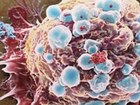
Breast cancer patients taking the drug tamoxifen can cut their chances of having the disease come back or kill them if they stay on the pills for 10 years instead of five years as doctors recommend now, a major study finds.
The results could change treatment, especially for younger women. The findings are a surprise because earlier research suggested that taking the hormone-blocking drug for longer than five years didn't help and might even be harmful.
 Full Story
A new study sets the stage for wider use of gene testing in early pregnancy. Scanning the genes of a fetus reveals far more about potential health risks than current prenatal testing does, say researchers who compared both methods in thousands of pregnancies in the U.S.
A surprisingly high number — 6 percent — of certain fetuses declared normal by conventional testing were found to have genetic abnormalities by gene scans, the study found. The gene flaws can cause anything from minor defects such as a club foot to more serious ones such as mental retardation, heart problems and fatal diseases.
 Full Story
Consuming large quantities of a key ingredient in beer can protect against winter sniffles and even some serious illnesses in small children, a Japanese brewery said citing a scientific study.
A chemical compound in hops, the plant brewers use to give beer its bitter taste, provides an effective guard against a virus that can cause severe forms of pneumonia and bronchitis in youngsters, Sapporo Breweries said Wednesday.
 Full Story
Breast cancer patients taking the drug tamoxifen can cut their chances of having the disease come back or kill them if they stay on the pills for 10 years instead of five years as doctors recommend now, a major study finds.
The results could change treatment, especially for younger women. The findings are a surprise because earlier research suggested that taking the hormone-blocking drug for longer than five years didn't help and might even be harmful.
 Full Story
The world's oldest person, American Besse Cooper, died on Tuesday at the age of 116, CNN reported.
She passed away in Monroe, Georgia, east of Atlanta, her son Sidney told the television network.
 Full Story
The sperm count in French men dropped by nearly one-third between 1989 and 2005 and the quality of sperm also declined, a study said Wednesday.
The sperm count fell at a rate of about 1.9 percent a year, said the authors of the report covering more than 26,600 men over the 17-year period and published in the journal Human Reproduction.
 Full Story
An experimental breath test can diagnose colorectal cancer with an accuracy of over 75 percent, Italian researchers reported on Wednesday.
The electronic "nose" detects key molecules emitted by tumors, a technique that is also being used in pioneering diagnostics for lung and breast cancer.
 Full Story
