


White House: No U.S. Visa for Iran Pick as U.N. Envoy
إقرأ هذا الخبر بالعربية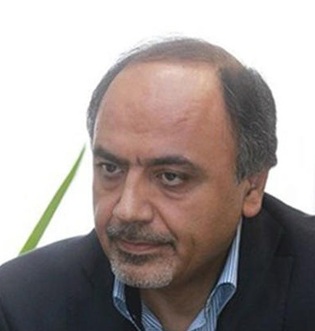
The United States said Friday it would not grant a visa to Tehran's newly appointed U.N. ambassador, Hamid Aboutalebi, who has been linked to the 1979 U.S. hostage crisis.
Iran has insisted Washington's objection to Aboutalebi is unacceptable and the row threatens to cloud a gradual thaw in relations between the two enemies after decades of mistrust.
As the host government of the United Nations, the United States generally is obliged to issue visas to diplomats who serve at the United Nations, although there have been rare exceptions.
Fierce political pressure from Congress, which has overwhelmingly passed a bill barring Aboutalebi from U.S. soil, has put the White House in a corner.
"We have informed the United Nations and Iran that we will not issue a visa for Mr. Aboutalebi," White House spokesman Jay Carney said.
Carney said White House lawyers were studying constitutional issues raised by the bill which landed on President Barack Obama's desk on Thursday, and did not say whether he would eventually sign it.
But he added: "We certainly share the intent of the bill passed by Congress."
Carney said that there was no reason to expect that the row between Tehran and Washington over the envoy would impact progress in talks between Iran and world powers, including the United States, over Tehran's nuclear program.
But the episode reflects the enduring symbolic impact of the hostage crisis, in which 52 Americans were held for 444 days in Tehran, on U.S. perceptions of the Islamic Republic, and the challenge it poses to Obama's drive for a diplomatic breakthrough.
Neither Carney nor the State Department directly put down the decision not to give Aboutalebi a visa down to suspicions over his role in 1979, but noted widespread media reports on his background.
Iran had slammed as unacceptable a previous U.S. statement that the nomination of Aboutalebi was "not viable."
While the situation appears to be heading to a stalemate, a senior State Department official did note that Iran still has time to withdraw the nomination.
Whether that would be a politically palatable option for President Hassan Rouhani's government remains unclear, however.
Aboutalebi, a veteran diplomat who currently heads Rouhani's political affairs bureau, has insisted he was not part of the hostage-taking in November 1979, when a Muslim student group seized the U.S. embassy after the overthrow of the pro-Western shah.
He has acknowledged he served a limited role as a translator for the students, who took the Americans hostage.
But lawmakers who passed the bill branded Aboutalebi as a "terrorist" and say he should not be allowed to walk around the streets of New York with diplomatic immunity.
The bill amends a section of the existing Foreign Relations Authorizations Act to allow Washington to withhold visas for individuals who have "engaged in a terrorist activity against the United States."
It is believed that Washington has never denied a visa for a U.N. ambassador, although Tehran withdrew its nominee once in the early 1990s.

