


Israeli-backed Palestinian militia leader killed while trying to resolve family dispute
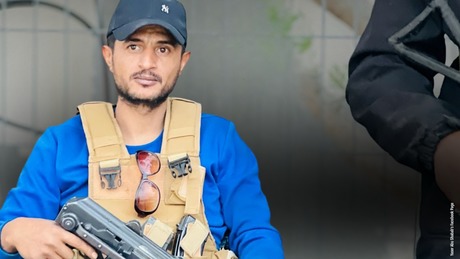
In a sign for the potential for turmoil, the leader of an Israeli-backed Palestinian militia, Yasser Abu Shabab, was shot to death during a dispute with another family in southern Gaza, his militia said Thursday. The killing could be a setback for Israeli efforts to prop up its own alternative to Hamas in Gaza.
The Popular Forces is one of several armed Palestinian groups supported by Israel and operating in Israeli-controlled zones. The groups tout themselves as anti-Hamas nationalist forces but have been denounced by many Palestinians, including Abu Shabab’s family, as tools of the Israeli military.
Details of the killing of Abu Shabab were not immediately known. The Popular Forces said he suffered a gunshot wound while mediating a dispute among members of the Abu Suneima clan, which is based in the far south of Gaza.
In a Facebook post, the group underlined that he was not killed in clashes with Hamas.
At least two members of the Abu Suneima clan – a pair of brothers -- were also killed in the dispute, according to a statement by the clan’s head, Attiya Awda Abu Suneima. He praised the clan members who killed Abu Shabab for “unwavering courage and resolve in the face of injustice and treachery” – but provided no details on what happened.
He warned that remaining member of Abu Shabab’s group, “which has strayed from the values of our people, will face a severe reckoning.”
There was no immediate Israeli comment on Abu Shabab’s death.
Abu Shabab was the most prominent of the Palestinian militia leaders that Israel has said it is backing to oppose Hamas. Before the war, he had been involved in smuggling cigarettes and drugs from Egypt, according to two members of his extended family, one of whom was once part of his group.
During the war, his militia became notorious for robbing U.N. aid trucks. It also deployed near Israeli troop positions in military-controlled territory, particularly along routes that Palestinians took to reach food distribution sites.
In its announcement of Abu Shabab’s death, the Popular Forces vowed to “continue on the path until terrorism is eliminated from Gaza’s soil.”
Other Palestinians celebrated his death. The Higher Council for Tribal Affairs, a body representing Gaza’s powerful clans, said his end was “expected for someone who chose to abandon his people … and sided with the enemy.”
Israel’s long-term intentions for Abu Shabab’s group and other militias have never been clear.
But the fighters’ role could grow if the ceasefire plan stalls and Israel keeps its hold on territory in Gaza. Under the U.N.-backed plan, an international security force is to deploy in Gaza to keep security and ensure Hamas disarmament while an international administration headed by U.S. President Donald Trump governs the territory. But no firm plans have been announced on implementing any of the provisions.


