


US-Iran deal cites Lebanon's 'territorial integrity' but sidesteps explicit 'withdrawal'
The interim deal reached by the United States and Iran to end their war will reopen the Strait of Hormuz and bring the two adversaries back to the negotiating table over Tehran’s nuclear program. It will also give Iran an immediate benefit, allowing it to sell its oil freely again, according to details released by both countries.
Besides the new oil revenue for Iran, the two sides are more or less back where they were 3½ months ago — before Israel and the U.S. on Feb. 28 launched their war on Iran, which has left thousands dead across the region, triggered a global energy crisis and shaken the American economy.
Iran and the U.S. will enter a 60-day period of negotiations, and hanging over them will be the question of whether U.S. President Donald Trump can wrest a better deal than the 2015 nuclear accord he scuttled eight years ago.
Trump and Vice President JD Vance signed the agreement digitally over the weekend and Trump signed a physical copy Wednesday while dining with French President Emmanuel Macron in the Palace of Versailles.
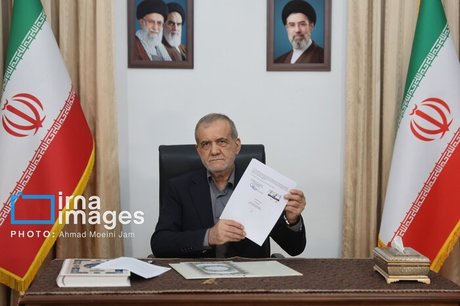
In Tehran, a stone-faced President Masoud Pezeshkian signed the deal on behalf of Iran, according to the state-run IRNA news agency, which posted an image of him holding up the deal with his signature and Trump’s.
The deal calls for an end to the war in Lebanon, where Israel has been fighting Hezbollah.
However, Israel and Hezbollah aren't parties to the agreement. Iran insists Israel must withdraw from the large swath of southern Lebanon it has occupied since March, but the interim deal doesn't explicitly require that and only affirms a commitment to ensuring Lebanon's "territorial integrity."
Israel has vowed to keep its troops in the zone, while Hezbollah says it is committed to resisting Israel "until full withdrawal is achieved." If fighting spirals, it could derail the U.S.-Iran deal unless the two countries can rein in their respective allies.
- US-Israeli ties have been strained -
Israel was squeezed out of the negotiations with Iran, and Israelis from across the political spectrum have called the deal a disaster, directing their fury at Prime Minister Benjamin Netanyahu.
Trump, meanwhile, has grown more scathing in his displeasure with Netanyahu, even describing him as "crazy." During the negotiations with Iran, Trump was furious over Israel’s strikes in Beirut, warning they could jeopardize an agreement.
In France on Tuesday, Trump said at the annual G7 summit that "without the U.S., there would be no Israel," and added that Netanyahu "has to be more responsible with respect to Lebanon."
Netanyahu is left in a precarious situation ahead of national elections later this year. His relationship with Trump may require downscaling a military campaign in Lebanon that is widely popular in Israel.
Meanwhile, Israel’s arch-nemesis, Iran, would emerge from the war seemingly bolder.
The Islamic Republic survived the most serious attempt ever by Israel and the United States to topple it, despite their thundering opening volleys of the war that killed Iran’s supreme leader and other top officials. And Iran demonstrated its ability to retaliate economically by shutting down the strait and striking U.S. Arab allies in the Gulf, giving Tehran confidence that Trump won't seek a return to war.
